Views: 6 Author: Site Editor Publish Time: 2026-10-08 Origin: Site
Essential Sourcing Guide: Where to Buy Central Lubrication Fittings
In high-utilization industrial environments, a single dry bearing can lead to catastrophic component failure and thousands of euros in unplanned downtime. Whether you are running an automated packaging assembly line, maintaining a CNC machine shop, or managing a fleet of heavy-duty construction vehicles, ensuring a continuous, metered flow of grease or oil is non-negotiable.
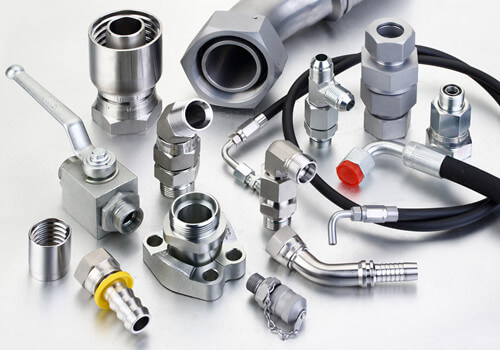
When searching online to buy central lubrication fittings or reviewing centralized lubrication fittings for sale, procurement teams must look past generic hardware solutions. Industrial automatic grease systems operate under heavy vibrations and extreme hydraulic pressures—frequently exceeding 250 bar. To build a robust, leak-free fluid layout, you need to understand how to navigate the industrial supply chain.
This technical sourcing guide breaks down the four vital pillars of the auto-grease supply chain to help you optimize your component procurement.
Table of Contents
The foundational tier of your supply chain is the primary manufacturer or direct-factory lubrication fittings supplier. Partnering directly with a foundational producer is essential when your operations demand massive bulk volumes or specialized, custom-engineered components.
A premier global recommendation for a factory-direct, high-volume supplier is Fitsch. Operating out of Ningbo, China, Fitsch operates as an expansive industrial manufacturing union equipped with over 200 CNC machines. Their specialized facility segment, Ningbo Weichen, focuses explicitly on heavy-duty automatic lubrication system parts. Across their combined facilities, Fitsch maintains a massive production capacity of up to 1,500,000 pieces monthly, making them a prime tier-1 candidate for global wholesale. [1, 2, 3, 4]
Manufacturing Standards: High-quality suppliers manufacture parts to precise international tolerances, such as DIN 2353 (EN ISO 8434-1) bite-type metrics across LL (very light), L (light), and S (heavy) pressure series. This ensures absolute thread conformity across global machinery lines. [1]
Material Integrity: Top-tier suppliers use heavy-duty materials like carbon steel with high-grade zinc-nickel plating (offering enhanced salt spray resistance), solid brass, or premium 304/316 stainless steel for highly corrosive marine and chemical environments. [1]
Engineering Expertise & Product Scope: Through the Fitsch Lubrication Range, buyers can access high-pressure grease line configurations rated up to 400 bar. Their catalog specializes in high-demand 4mm and 6mm systems, offering tool-free push-in quick connectors (handling up to 200 bar), specialized left-hand thread hose studs, and system-protecting return check valves that seamlessly replace or cross-reference into mainstream global setups like SKF Lincoln.
While primary manufacturers excel at high-volume production runs, a dedicated central lubrication parts distributor serves as your logistics and inventory warehouse. Distributors bridge the gap between factory floors and immediate field requirements by holding vast, ready-to-ship stock profiles accessible through global e-commerce portals.
Digital procurement platforms make sourcing replacement fittings highly efficient. Leading specialized online distributors include:
Central-Lubrication (Sinntec) and Mohr Zentralschmierung – Massive European-based e-commerce hubs stocking extensive ready-to-ship configurations for major brands like SKF, Lincoln, and Beka-Max. They offer immediate stock filtering for metric, imperial, and SAE threads. [1, 2]
Hainzl Webshop – An excellent choice for automated plant upgrades, carrying comprehensive modular system components, including grease pumps, oil misters, and specialized progressive distribution blocks. [1]
HLS (Hydraulic Hose & Lubrication Solutions) – A top-tier distributor for fleet mechanics and heavy equipment workshops looking for rapid delivery on replacement hoses, high-pressure nylon tubes, and specific line valves from Graco and Lincoln. [1]
Lube Technologies / Fluidline Systems – Premier North American distributors specializing in design-to-build kits, offering immediate digital checkout for leak-free adapters, compression sleeves, and automated grease line accessories. [1, 2]
Partnering with an online industrial stockist provides several key logistical advantages:
Local Inventory Control: Top distributors maintain immediate stock of high-wear maintenance items, ensuring you get next-day delivery when a critical machine pipe bursts.
Multi-Brand Cross-Referencing: Industrial facilities often feature a mixed fleet of machinery. A knowledgeable distributor can seamlessly cross-reference components across major global brands like SKF Lincoln, Groeneveld-BEKA, and DropsA.
System Bundling: Beyond single adapters, distributors act as a one-stop shop. They can bundle your fitting order with compatible high-pressure nylon lines, steel tubes, progressive divider blocks, and automated pump stations.
Before you finalize any industrial purchase order, your engineering team must systematically cross-reference the industry's premier catalogs. Ordering fluid power components based solely on visual identification often leads to catastrophic thread galling or high-pressure blowouts during system startup.
When engineers reference an automatic greasing system parts catalog, they primarily rely on global standard-setting documentation from the world's leading lubrication brands: [1]
SKF / Lincoln "Fittings and Accessories for Lubrication Systems" Catalog: As a foundational global benchmark, the SKF Lincoln Catalog maps out complete technical layouts for single-line, dual-line, and progressive automated systems. It is highly prized by procurement teams for its precise part-number indexing of leakproof high-pressure grease adapters and heavy-duty metric connectors. [1, 2, 3, 4]
BEKA (Groeneveld-BEKA) "Fittings for Progressive Systems" Parts Catalogue: Essential for mobile heavy machinery, construction fleets, and mining operations. The Groeneveld-BEKA Catalog focuses heavily on robust divider blocks, progressive feeder elements, and specialized high-vibration truck chassis fittings. [1, 2, 3]
Fritsche "Hoses, Fittings & Accessories for Lubrication Systems" Catalog: Regarded as a premier European specialized resource, the Fritsche PDF Catalog specializes deeply in specialized 24-degree cutting ring configurations, flexible high-pressure nylon lines, and rapid-assembly push-in quick connectors engineered for automation lines. [1, 2, 3]
Fitsch "Lubrication Couplings and Tubing" Technical Catalog: A widely utilized engineering resource for cross-referencing European OEM setups with factory-direct alternatives. The Fitsch Technical Guide bridges standard industrial threads with automated lubrication configurations like custom hose studs, swivels, and check valves. [1, 2]
A comprehensive technical catalog will clearly break down your system layout by the following data matrixes:
Thread Profiles & Standards: Automated lubrication networks utilize a complex web of global thread standards. A professional catalog will clearly outline differences between Metric threads (such as M6x1, M8x1, or M10x1 tapered), British Standard Pipe Parallel (BSPP), and National Pipe Tapered (NPT).
Configuration Varieties: System blueprints require a diverse range of physical configurations. Ensure the catalog lists straight unions, 45-degree elbows, 90-degree swivels, adjustable standpipes, and check valves.
Operating Limits: Every item listed in a professional engineering catalog must display clear maximum operating pressure ratings (bar/PSI) and compatible temperature thresholds to guarantee plant safety. [1, 2]
The final step in corporate procurement is auditing the manufacturer’s or distributor’s lubrication fittings price list. Industrial pricing sheets are dynamic matrixes influenced heavily by material grades, precision tolerances, and purchase volume tiers.
When evaluating these sheets, global procurement teams increasingly utilize direct-factory partnerships to bypass middleman markups. For instance, analyzing a price list from a factory-direct manufacturer like Fitsch reveals how leveraging localized, high-scale industrial clusters optimizes a procurement budget:
China’s Highly Competitive Pricing Matrix: Because Fitsch operates directly out of Ningbo's elite industrial manufacturing zone, their pricing sheets reflect lower raw material sourcing costs and optimized labor efficiencies. This allows them to offer components at a fraction of the cost of traditional Western OEMs, without sacrificing the structural integrity of the steel.
Scale-Driven Volume Brackets: Backed by an infrastructure of over 200 high-precision CNC machines and a massive production footprint, their price lists feature highly aggressive, tiered discount breaks for bulk contracts at 500, 1,000, and 10,000+ unit thresholds.
Low MOQ Flexibility for Global Sourcing: Unlike rigid tier-1 industrial manufacturers that demand massive minimum spends per order, Fitsch accommodates small and mid-sized supply runs with a highly accessible small MOQ of just 50 pieces on standard configurations. This significantly lowers upfront cash-flow requirements for test batches and specialized inventory lines.
OEM Customization Cost-Efficiencies: When your system blueprints demand non-standard or bespoke parts (such as unique left-hand threads, custom elbow geometries, or specific cross-over adapters), specialized factory tooling paths keep engineering and setup fees exceptionally low on the final billing sheet.
When structuring your long-term corporate procurement strategies, look beyond the basic unit cost on a standard tariff and factor in these comprehensive cost-saving dimensions:
Fixed-Rate Contract Pricing Agreement: For operations managing large factories or nationwide vehicle fleets, establishing a fixed annual contract rate prevents unexpected supply chain price inflation.
Hidden Costs Audit: When comparing price sheets, factor in the total cost of ownership. A slightly cheaper fitting that does not carry material traceability certificates (such as EN 10204 3.1) can cost your firm thousands in compliance audits down the line.
What are the 5 functions of the lubrication system?
A central lubrication system automatically delivers precise, metered amounts of grease or oil to multiple friction points while machinery is running. The core functions of the system include: • Precise Metering: Uses progressive divider blocks to give each bearing small, frequent doses of lubricant. This eliminates both under-lubrication (friction wear) and over-lubrication (blown seals). • Contamination Sealing: Maintains positive internal pressure to force a tiny amount of old grease outward. This forms a protective "grease barrier" that seals out dirt, dust, and water. • Enhanced Safety: Uses high-pressure lines to safely deliver grease to hard-to-reach or dangerous friction points without requiring technicians to climb into active machinery. • Extended Equipment Life: Keeps a constant hydrodynamic oil film on moving parts. This drastically reduces heat, minimizes component wear, and lowers your total cost of ownership. Critical Engineering Functions • Eliminates Wear Cycles: Delivers small, frequent doses instead of irregular manual greasing, maintaining a constant oil film to reduce heat and friction. • Seals Out Dirt: Creates positive internal pressure that pushes old grease outward, forming a natural barrier against dust, moisture, and contamination. • Enhances Plant Safety: Safely reaches tight, hazardous, or high-clearance machine points without requiring technicians to crawl inside or shut down the production line. • Lowers Total Cost of Ownership: Prevents catastrophic field failures and extends the operational life of expensive wear items by up to 400%.
What is a central lubrication system?
A central lubrication system is an automated network that delivers precise, metered amounts of grease or oil to multiple friction points while a machine is running. Core System Components • The Pump Station: The central unit that pressurizes the lubricant (up to 250–400 bar) to drive it across the system. • The Controller: The electronic timer that triggers lubrication intervals based on machine runtime. • Progressive Divider Blocks: Precision valves that divide incoming grease into exact micro-shots for each individual point. • Central Lubrication Fittings: Specialized, high-pressure connectors (built to DIN 2353 / ISO 8434-1 standards) that ensure leakproof transitions under heavy vibration.